Open Now
24/7 Emergency Service Available
Furnace Repair & Replacement
★★★★★
Trusted by Homeowners & Companies
24/7 Rapid Response | Residential & Commercial
24/7 Rapid Response | Residential & Commercial
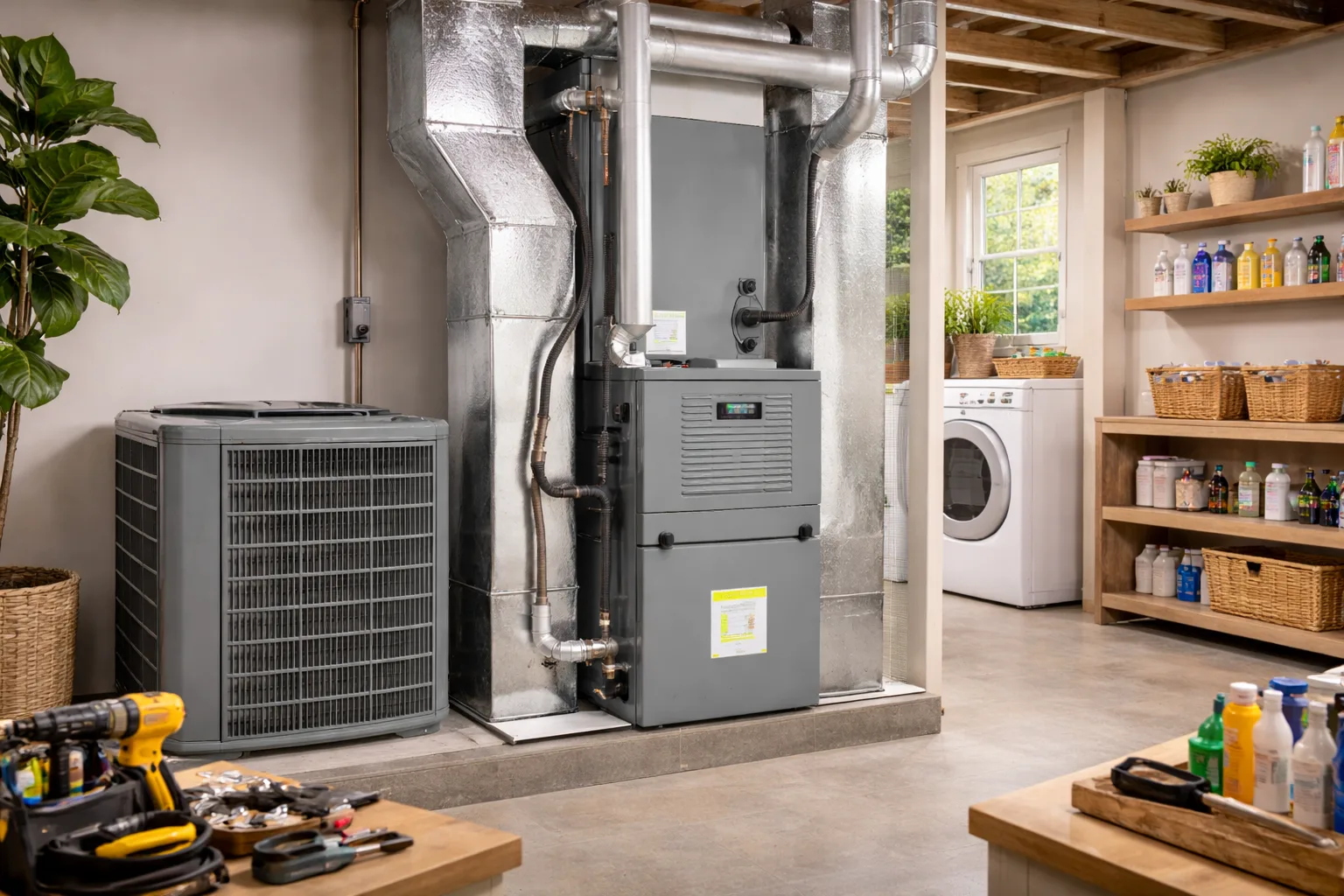
Furnace not working, blowing cold air, or short-cycling? Same-day gas, electric & oil furnace repair from local pros — and honest replacement guidance, with real load-calculation sizing and a combustion safety check on every visit. Call for a no-obligation quote.
- Furnace not working? Same-day diagnosis & repair
- Gas furnace repair — ignitors, flame sensors, gas valves & boards
- Electric & oil furnaces too — all major brands
- Blowing cold air, short-cycling & no-ignition fixes
- Carbon-monoxide-safe combustion checks, every visit
- Replacement & high-efficiency upgrades when repair isn't worth it
- No-obligation quotes & estimates
- Furnace not working? Same-day diagnosis & repair
- Gas furnace repair — ignitors, flame sensors, gas valves & boards
- Electric & oil furnaces too — all major brands
- Blowing cold air, short-cycling & no-ignition fixes
- Carbon-monoxide-safe combustion checks, every visit
- Replacement & high-efficiency upgrades when repair isn't worth it
- No-obligation quotes & estimates
Available Now — Call for Same-Day Service
Tell us the problem → we connect you to a local pro → quote on the call, no obligation
Need Service? Available Now
Call NowCall (877) 701-0450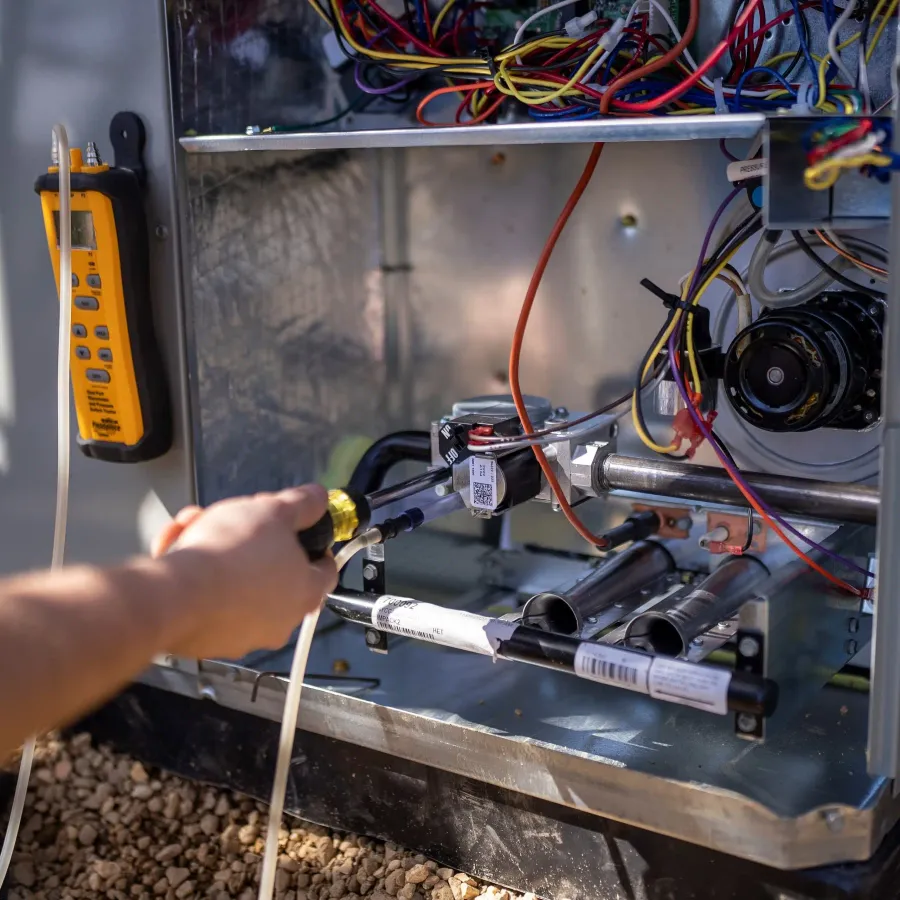
Furnace Not Working? What We Check First
Most furnace repair calls trace to a short list. Here is what the diagnostic looks at, in the order it usually finds the fault:
Already checked the thermostat and the breaker? Skip the rest — call now and tell the pro what it's doing.
Call NowCall (877) 701-0450Thermostat, switch and breaker
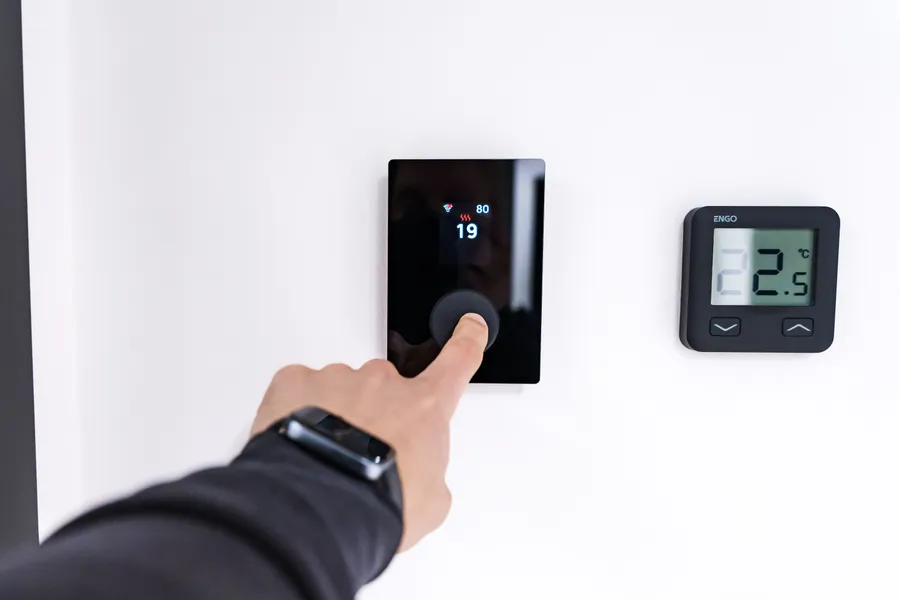
A thermostat left in the wrong mode, the furnace power switch flipped off, or a tripped breaker explains more no-heat calls than any part — and it is the first thing the pro checks, so mention it on the call and the visit starts one step ahead.
Filter and airflow
A clogged filter starves the exchanger of air, the furnace overheats, and the high-limit switch cuts the burners — the classic short-cycle. Quick to fix, expensive to ignore.
Ignitor and flame sensor
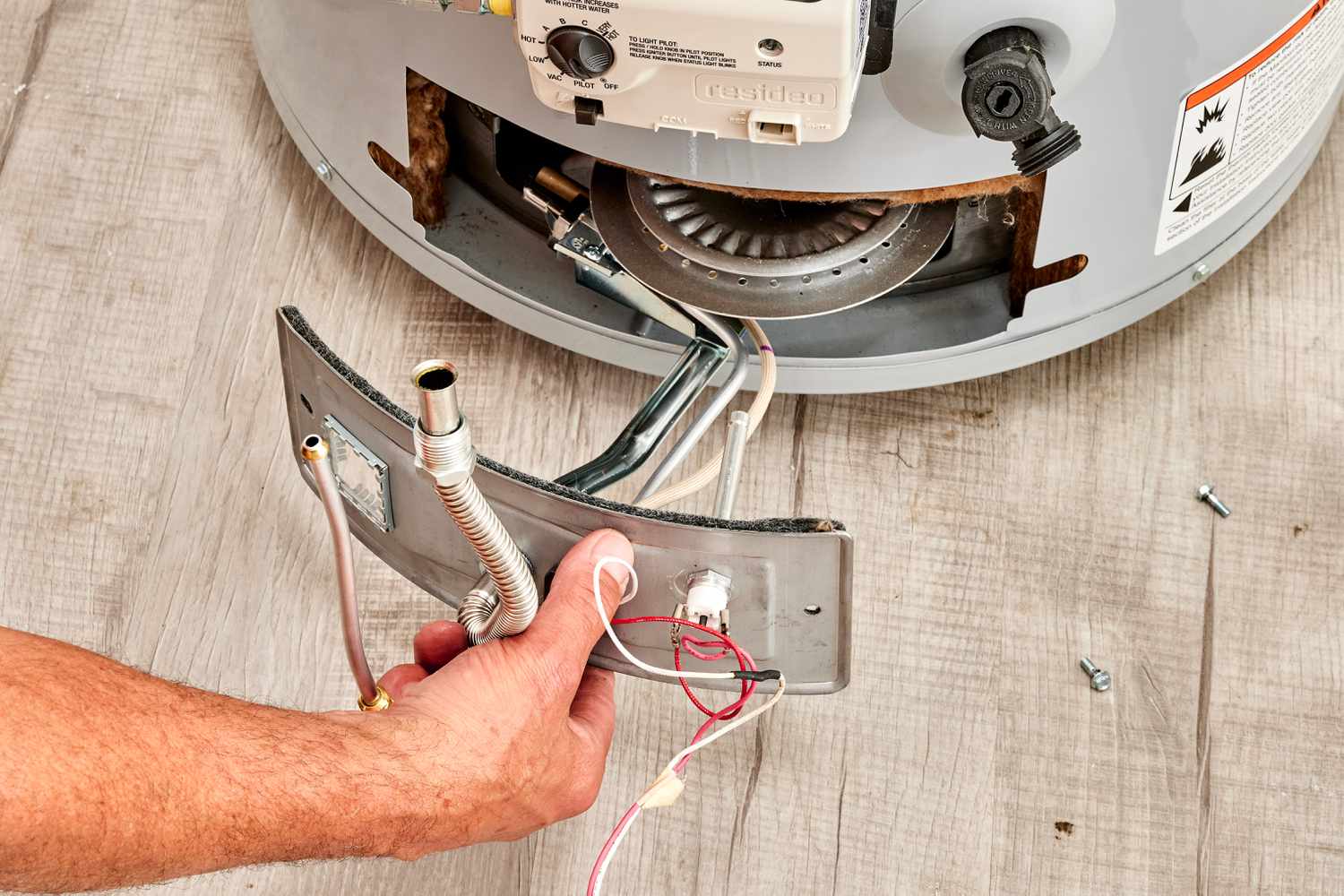
On gas furnaces these are the most common failures by far: the furnace clicks and hums but never lights, or lights and drops out seconds later. Usually a same-visit repair with parts on the truck.
Blower motor and capacitor
Burners fire but no air moves, or the blower runs constantly with no heat. Motor, capacitor or the control board that drives it — the amp draw tells which.
Gas valve and pressure
No gas, or not enough: a failed valve, a supply problem, or pressure out of spec. Every gas-side repair ends with a combustion and carbon monoxide check.
Heat exchanger
The one failure that changes the conversation. A cracked exchanger on an older furnace is a safety issue and the replacement signal — you'll hear that straight, with repair and replacement options side by side.
Repair, Replace, or Upgrade — the Furnace Decision
A furnace is a 15–20 year machine, and the right answer changes with its age and what just failed. The honest decision framework:
Under 10 years old: repair it
Almost any single failure — ignitor, sensor, blower, board — is worth fixing on a young furnace. Modern equipment with years of exchanger life left earns its repairs.
10–15 years: repair, but watch the total
Individual repairs still make sense; a run of them doesn't. When the cumulative bill crosses a third of replacement cost, put the money into new equipment instead.
15+ years with a major failure: replace
Heat exchangers, or a board-plus-blower double failure, on equipment this age — the repair buys little life and forfeits the efficiency gain a new unit brings.
A cracked heat exchanger settles it
That's the failure that can put combustion gases into your air. It isn't worth repairing on an old furnace — it's the replacement signal, full stop.
80% AFUE vs 95%+ AFUE
The efficiency jump means roughly 15 cents less fuel burned per dollar of heat. In cold climates that difference typically repays the upgrade premium well within the furnace's life.
Consider the heat pump pairing
A dual-fuel setup — heat pump carrying the mild months, furnace taking the coldest — often beats either alone on running cost. Worth the ten-minute conversation when replacing.
How Furnace Installation Works
Sizing first: a load calculation on your home, not a copy of the old unit's badge — oversized furnaces short-cycle themselves to early deaths. You choose from written options at more than one efficiency tier.
Install day covers removal and haul-away of the old unit, setting and venting the new one to code, gas and electrical connections, condensate handling on high-efficiency models, thermostat setup, and a full commissioning: gas pressure, temperature rise, and a combustion/CO check with the results shown to you, not just filed.
Frequently Asked Questions
Why is my furnace not working?
The usual suspects, in order: a thermostat or power-switch setting, a clogged filter tripping the high-limit switch, a failed ignitor or flame sensor, a dead blower, or a stuck gas valve. Check the thermostat, the furnace switch, the breaker and the filter first; if it still won't heat, it's a same-day repair call.
Do you repair gas furnaces?
Yes — gas, electric and oil furnaces, all major brands. Gas furnace repair covers ignitors, flame sensors, gas valves, control boards, blowers and limit switches, and every gas repair ends with a combustion and carbon monoxide check.
How long does a furnace last?
15–20 years for gas with reasonable maintenance, often longer for electric. Past 15, plan the replacement on your schedule rather than the furnace's — a January failure negotiates poorly.
Is a high-efficiency furnace worth the extra cost?
In cold climates, usually yes: a 95%+ AFUE model burns about 15% less fuel than an 80% unit for the same heat, which typically repays the premium within its lifetime. In mild climates the case is thinner — you'll see the comparison on the options sheet.
What size furnace do I need?
What the load calculation says — square footage, insulation, windows, and climate, not the old unit's label. Oversizing is the most common installation mistake in the industry: it short-cycles, heats unevenly, and dies young.
Can I replace just the furnace and keep my AC?
Usually yes — they share the blower cabinet and ducts, and a compatible furnace slots in. If the AC is also near end of life, replacing together saves a second labor bill later; if it's young, keeping it is the right call and you'll be told so.
How long does installation take?
A straightforward swap is one working day — heat off in the morning, heat on by evening. Venting changes or duct corrections can add a second day, known before work starts.
Thinking heat pump instead? Heat Pump Systems →
Same-Day Service Available · Trusted Experts · No Hidden Fees
Call NowCall (877) 701-0450Disclaimer: Hvacservicenearby.com is a free service to assist homeowners in connecting with local service providers. All contractors/providers are independent and hvacservicenearby does not warrant or guarantee any work performed. It is the responsibility of the homeowner to verify that the hired contractor furnishes the necessary license and insurance required for the work being performed. All persons depicted in a photo or video are actors or models and not contractors listed on hvacservicenearby.
Same-day and 24/7 emergency services are subject to provider participation, location, technician availability, and demand. Availability is not guaranteed and may vary by market and appointment capacity.